
The history of art has been traditionally dominated by male artists, but throughout the centuries, there have been remarkable women who defied societal norms, challenged gender barriers, and made significant contributions to the world of art. Examining the historical perspective of women artists reveals a narrative of resilience, creativity, and the gradual dismantling of gender-based restrictions.
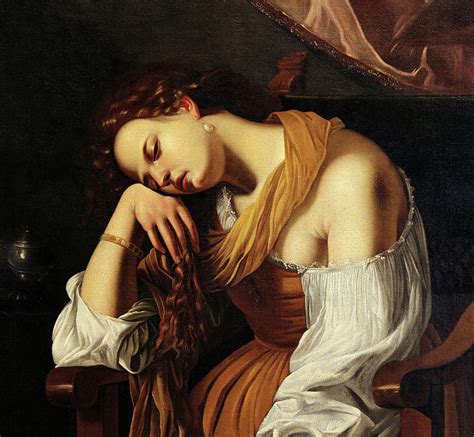
In the Renaissance, where the art world was primarily male-centric, Artemisia Gentileschi emerged as a groundbreaking figure. Born in 1593, Gentileschi defied societal expectations by pursuing a career as a professional painter. Her works often featured strong and heroic women, reflecting her own experiences and challenges. Her powerful depictions and skillful use of chiaroscuro garnered her acclaim, transcending the limitations imposed on women artists of her time.
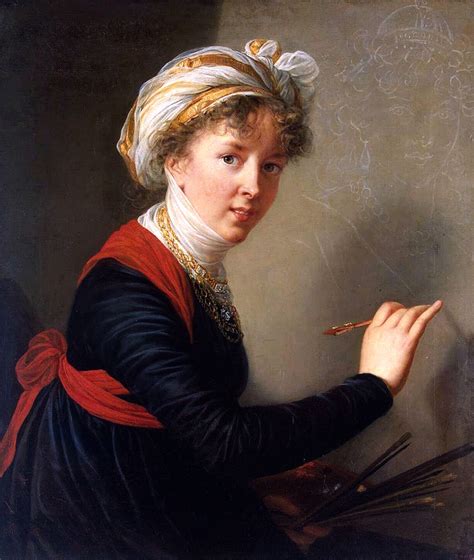
Moving to the 18th century, Elisabeth Louise Vigée Le Brun became one of the most sought-after portrait painters in Europe. Breaking free from the conventions that confined women to domestic subjects, Vigée Le Brun painted portraits of royalty, intellectuals, and aristocrats. Her success challenged the notion that women were limited to portraying domestic scenes and sentimental subjects.
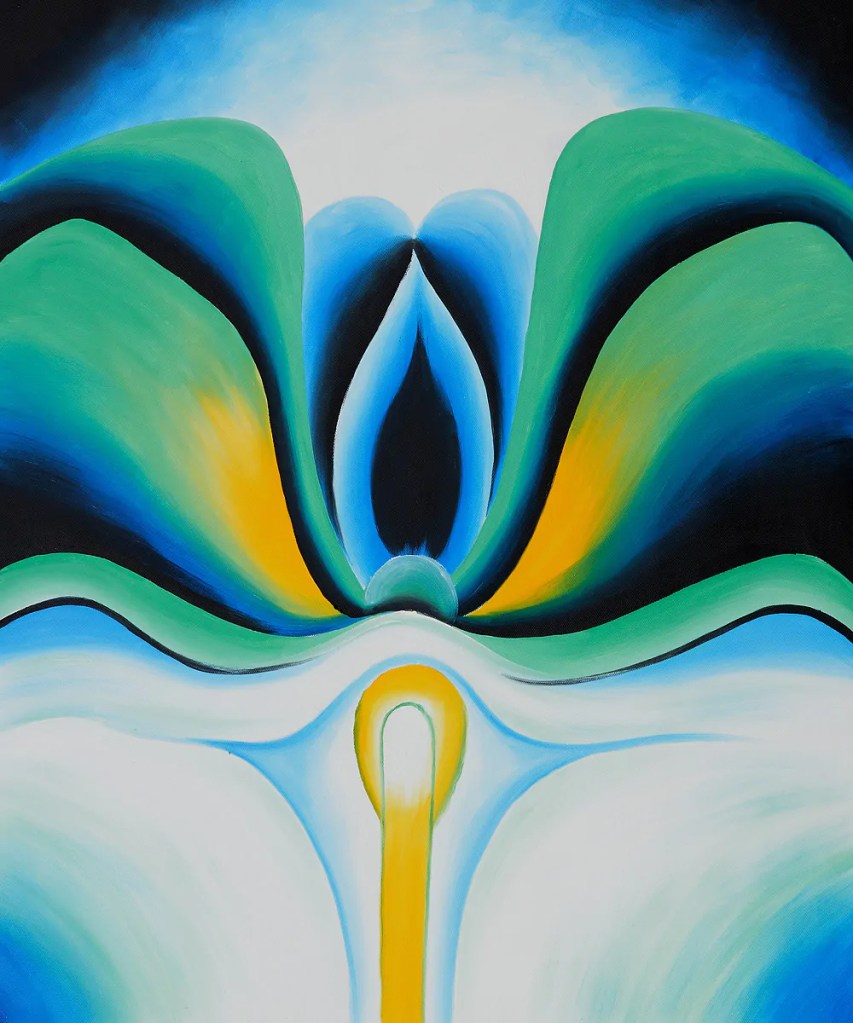
In the 20th century, the avant-garde movement witnessed the rise of women artists who played pivotal roles in reshaping the art scene. Georgia O’Keeffe, known for her bold and sensuous depictions of flowers and landscapes, became a pioneering figure in American modernism. O’Keeffe’s ability to transcend traditional gender roles and explore themes of nature and abstraction contributed to her iconic status in the art world.
The surrealist movement also saw the emergence of influential women artists, such as Frida Kahlo. Kahlo’s introspective and autobiographical paintings challenged societal norms and explored themes of identity, pain, and resilience. Her unique voice and artistic vision made a lasting impact, transcending gender barriers and influencing subsequent generations of artists.
The feminist art movement of the 1960s and 1970s further addressed the systemic inequalities within the art world. Artists like Judy Chicago and Yoko Ono used their work to critique and challenge patriarchal structures. Chicago’s iconic installation “The Dinner Party” celebrated women’s achievements throughout history, while Ono’s conceptual art and activism questioned conventional notions of power and authority.
In contemporary times, women artists continue to break barriers and redefine the art landscape. Figures like Marina Abramović, Kara Walker, and Yayoi Kusama have gained international recognition for their innovative and boundary-pushing work, contributing to a more inclusive and diverse art world.
While the journey for women artists has been marked by challenges and obstacles, their persistence, creativity, and courage have left an indelible mark on art history. As the art world continues to evolve, acknowledging and celebrating the contributions of women artists remains crucial for fostering a more equitable and inclusive cultural landscape.
 æsthetic triangle