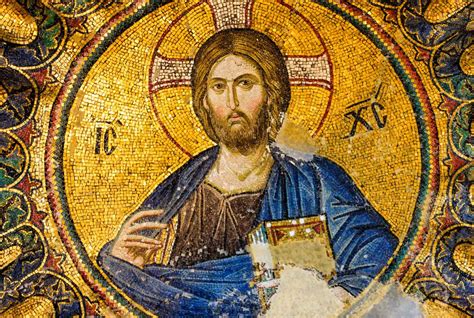
Colors have played a profound and symbolic role in art throughout history, serving as a powerful language that transcends cultural and geographical boundaries. The use of color in art not only reflects aesthetic preferences but also conveys rich layers of meaning, cultural significance, and emotional resonance. Examining the symbolism of colors in art reveals a fascinating tapestry of human expression and perception.
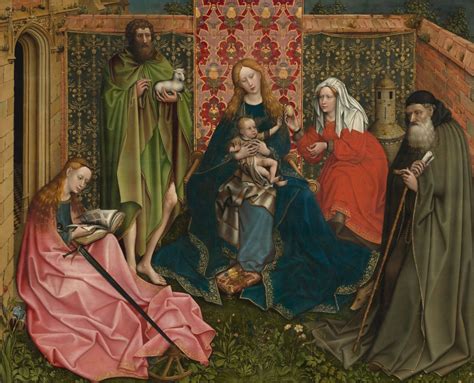
In ancient civilizations, colors were often associated with specific deities, virtues, or cosmic elements. For example, in Ancient Egypt, the color green symbolized rebirth and regeneration, closely linked to the annual flooding of the Nile, which brought fertility to the land. The use of vibrant colors in Egyptian murals and sculptures conveyed a sense of vibrancy and vitality, aligning with their beliefs in an afterlife.
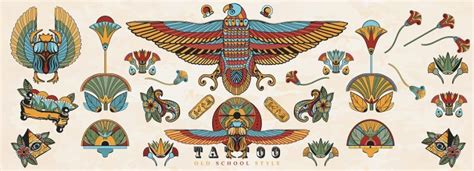
In medieval art, colors took on religious symbolism, with each hue carrying specific meanings. Gold, often used in illuminated manuscripts and religious paintings, symbolized the divine and the heavenly realm. Blue, associated with the Virgin Mary, represented purity and transcendence. The use of red, a color of passion and sacrifice, frequently adorned depictions of Christ and martyrs.
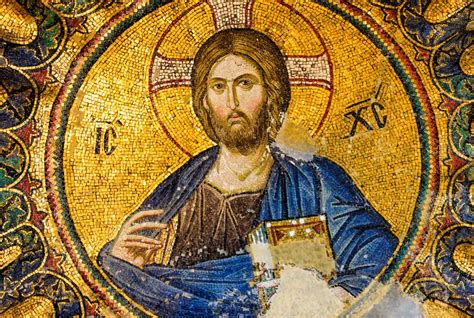
During the Renaissance, artists delved into the study of color theory and its psychological impact. The works of Leonardo da Vinci and Michelangelo showcased a mastery of color harmonies, enhancing the emotional resonance of their compositions. Leonardo, for instance, utilized sfumato, a technique that blurred edges and created a seamless transition between colors, achieving a soft and atmospheric effect.
In the Baroque period, artists like Caravaggio employed chiaroscuro, contrasting light and dark colors for dramatic impact. The symbolic use of color in Baroque art extended to the portrayal of saints and biblical figures, where rich hues conveyed divine attributes and spiritual significance.

The 19th century witnessed the emergence of Romanticism, with artists expressing heightened emotions through color. The landscapes of the Hudson River School, for instance, celebrated the sublime beauty of nature through a palette of majestic greens, blues, and earth tones. In contrast, the Symbolist movement explored the mystical and dreamlike qualities of color, using it as a vehicle for expressing inner visions and esoteric themes.
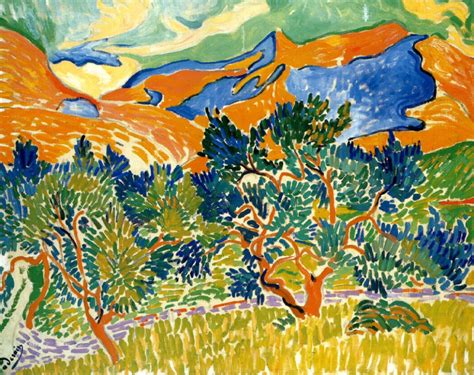
The 20th century marked a radical departure from traditional color symbolism with the advent of movements like Fauvism and Abstract Expressionism. Fauvist artists, including Henri Matisse, liberated color from its representational constraints, using bold and arbitrary hues to convey raw emotion and energy. Abstract Expressionists, such as Mark Rothko, employed color fields to evoke profound emotional responses, inviting viewers to immerse themselves in contemplative experiences.
In contemporary art, the symbolism of colors continues to evolve, often reflecting societal shifts, cultural diversity, and individual perspectives. Artists like Yayoi Kusama utilize vibrant colors to create immersive installations, blurring the boundaries between art and the viewer’s sensory experience.
Overall, the symbolism of colors in art serves as a dynamic and evolving language that communicates emotions, cultural narratives, and philosophical ideas. From the sacred hues of ancient civilizations to the experimental palettes of modern and contemporary art, the use of color remains a testament to the enduring power of visual expression throughout the ages.
 æsthetic triangle