In the annals of art theft, the National Gallery Robbery of 1961 stands out as a brazen act of audacity, orchestrated by an unlikely culprit—Kempton Bunton. The heist unfolded in the hallowed halls of the National Gallery in London, where Goya’s iconic portrait of the Duke of Wellington adorned the walls. In a bold move that would go down in criminal history, Bunton, an unassuming postman, managed to pilfer the masterpiece right under the noses of museum security.
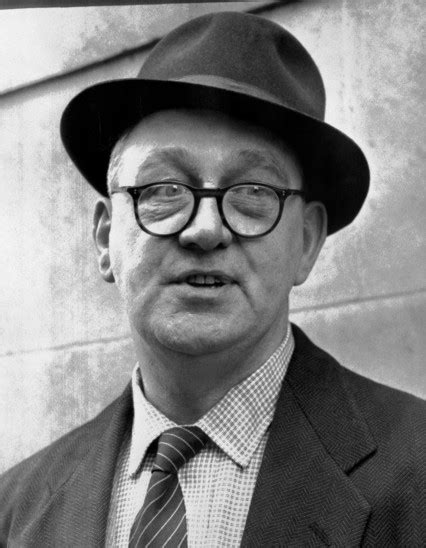
The audacious theft captured the imagination of the public, turning Kempton Bunton into an unexpected folk hero of sorts. His motives were far from the typical criminal mastermind seeking to cash in on stolen art. Instead, Bunton was motivated by a desire to draw attention to social issues, specifically his protest against the television licensing fees.
Bunton’s act of defiance didn’t go unnoticed, and in 1965, he was apprehended by the authorities. However, the aftermath of the National Gallery Robbery took an unexpected turn. Despite the gravity of his actions, Bunton received a relatively light sentence, with the court acknowledging the unconventional nature of his protest.
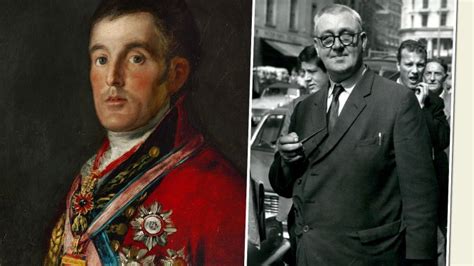
Ultimately, the stolen Goya portrait of the Duke of Wellington was returned to its rightful place in the National Gallery. The incident left an indelible mark on the history of art theft, not only for the daring execution but also for the peculiar motivations behind it. The National Gallery Robbery of 1961 remains a captivating chapter in the world of crime, blending elements of high-stakes drama with a touch of socio-political activism.
 æsthetic triangle