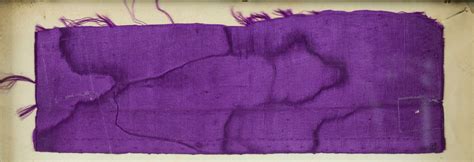
The history of the color mauve is a fascinating journey that encompasses the realms of chemistry, fashion, and cultural trends. Mauve, a delicate and muted shade of purple, has a story that begins in the mid-19th century, intertwining the worlds of science and art.
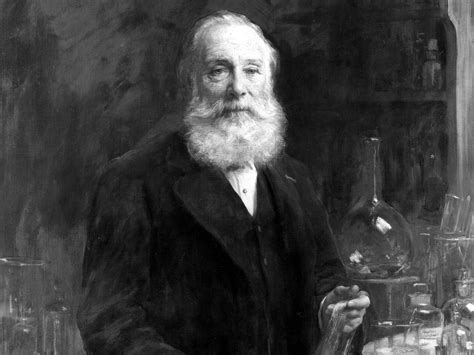
The birth of mauve can be traced back to 1856 when a young English chemist named William Henry Perkin accidentally stumbled upon a synthetic dye while attempting to create a cure for malaria. At the time, the dye industry relied heavily on natural sources like plants and minerals, which were often expensive and limited in availability. Perkin’s chance discovery marked a turning point in the field, opening the door to a new era of synthetic dyes.

Perkin was just 18 years old when he entered the Royal College of Chemistry in London. Inspired by the rapid advancements in chemical knowledge of the time, he set out to find a synthetic substitute for quinine, a treatment for malaria derived from the bark of the cinchona tree. Perkin’s experiments involved the oxidation of aniline, a coal-tar derivative, using various chemicals.
In one of his experiments, Perkin observed an unexpected mauve-colored residue. This accidental discovery intrigued him, and he realized the commercial potential of this vibrant color. The synthetic dye he had stumbled upon was later named “mauveine” and eventually became known simply as mauve. Perkin patented his discovery in 1856, and the dye quickly gained popularity for its unique and appealing shade.
The introduction of mauve to the fashion world was a revolutionary moment. Prior to Perkin’s discovery, vibrant colors were often associated with luxury, as they were derived from expensive natural sources. Mauve, being a product of chemistry, was more accessible and affordable. The color became a symbol of innovation and modernity.
The 1860s saw the rise of the “mauve craze” in Europe and the United States. Fashionable society embraced mauve-colored garments, and the dye became widely used in textiles. Queen Victoria herself donned a mauve gown to the Royal Exhibition of 1862, contributing to the color’s royal reputation.
Mauve’s popularity extended beyond clothing and textiles. It found its way into various aspects of art and design, influencing the work of painters, decorators, and even furniture makers. The color’s gentle and calming qualities made it a favorite in interior design during the Victorian era.
Despite its initial success, the popularity of mauve waned in the late 19th century as new synthetic dyes entered the market. The once-revolutionary color became associated with outdated fashion, and its popularity declined. However, mauve experienced periodic revivals in the 20th century, particularly during the Art Deco and psychedelic movements.
In the realm of symbolism, mauve acquired various meanings over the years. In the Victorian language of flowers, mauve represented enchantment and the mystical. The color’s association with mystery and spirituality made it a favorite in the spiritualist and occult circles of the late 19th century.

The history of mauve is not just about a color but also a testament to the interconnectedness of science, industry, and culture. Perkin’s accidental discovery transformed the way people thought about color, paving the way for a new era of synthetic dyes and influencing fashion and design for generations to come.
The history of mauve is a colorful tale of scientific serendipity and cultural transformation. From its accidental creation in a London laboratory to its widespread popularity in fashion and design, mauve has left an indelible mark on the world of color. The delicate shade continues to inspire and captivate, reminding us of the power of innovation and the unexpected beauty that can emerge from scientific exploration.
 æsthetic triangle