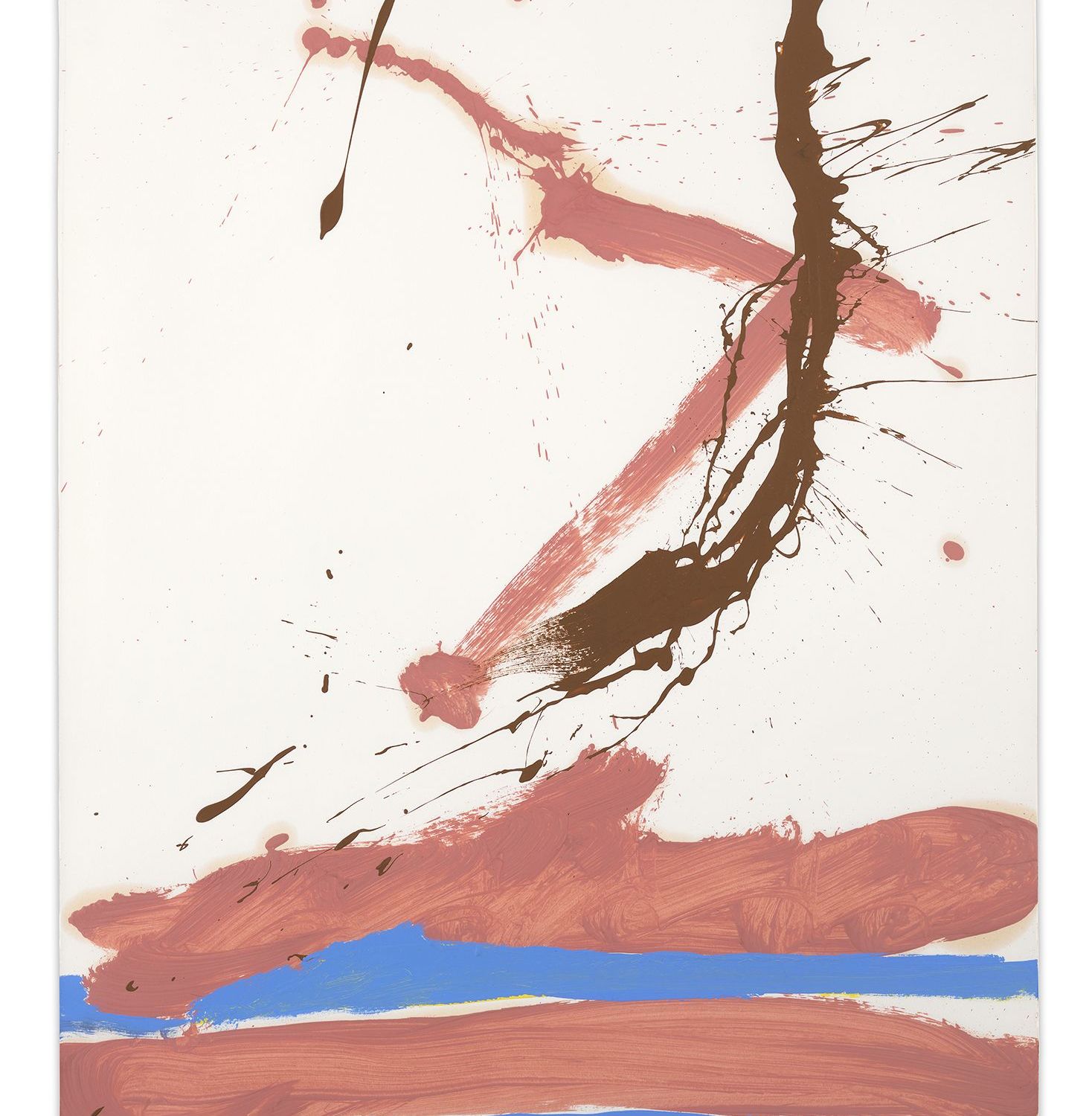
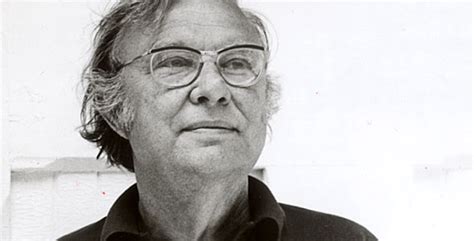
Robert Motherwell, a prominent figure in the Abstract Expressionist movement, played a pivotal role in shaping the trajectory of post-war American art. Born in 1915, Motherwell emerged as a painter, printmaker, and theorist, contributing significantly to the development and intellectual underpinnings of Abstract Expressionism.
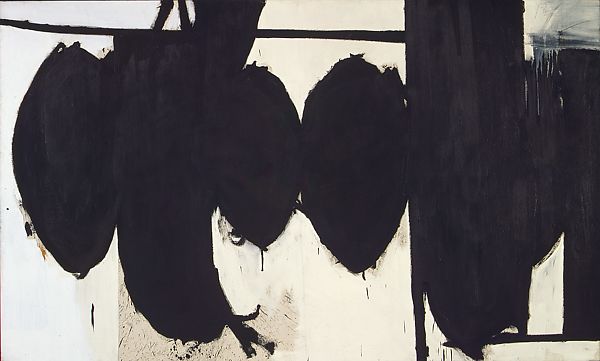
Motherwell’s work is characterized by a profound engagement with philosophical and existential themes, often expressed through a unique fusion of gestural brushstrokes and geometric shapes. His series of paintings titled “Elegy to the Spanish Republic” is among his most renowned, embodying a poignant exploration of loss and the human condition.
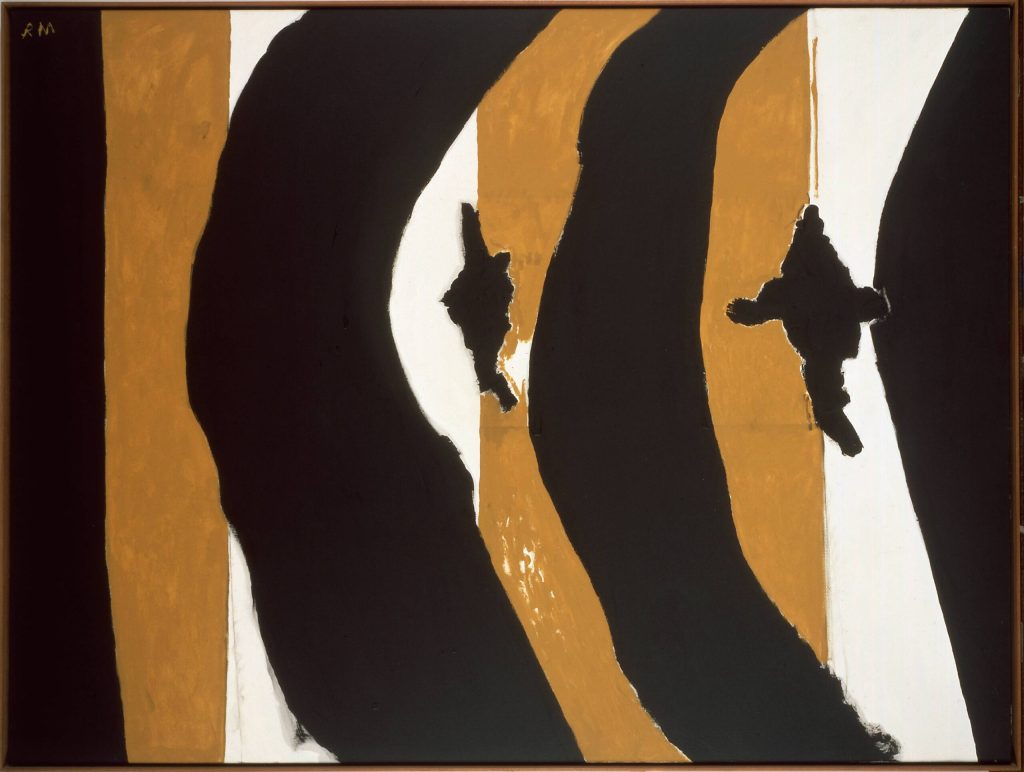
A distinctive aspect of Motherwell’s approach was his deep involvement with automatism and the Surrealist movement, as well as his interest in exploring the dichotomy between conscious and subconscious creation. This interest manifested in his use of spontaneous brushwork and a thoughtful consideration of form and color.
Motherwell’s role extended beyond his artistic contributions; he was a vocal advocate and spokesperson for Abstract Expressionism. As a founding member of “The Irascibles,” a group of New York artists who protested against the Metropolitan Museum of Art’s conservative policies in 1950, Motherwell actively engaged in shaping the movement’s public image.
His commitment to the intellectual and theoretical aspects of art is evident in his writings, including the influential “The Painter and the Printer” and “The Dada Painters and Poets.” Motherwell’s legacy endures not only through his visually compelling artworks but also through his impact on the discourse surrounding Abstract Expressionism, solidifying his position as a key figure in the mid-20th-century art scene.
 æsthetic triangle