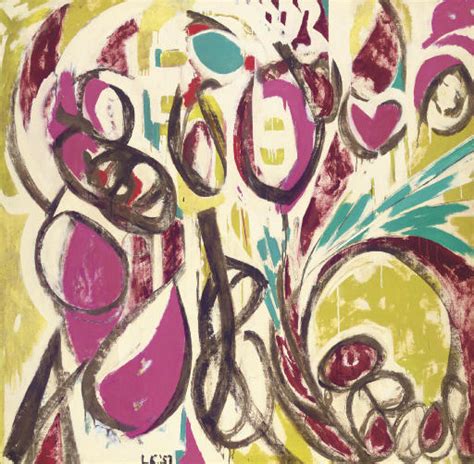
The critical reception of Abstract Expressionism during its emergence in the mid-20th century was a complex interplay of admiration, skepticism, and controversy. As artists like Jackson Pollock, Willem de Kooning, Mark Rothko, and Lee Krasner, pioneered this avant-garde movement, their works were met with a mix of fascination and resistance from critics and the public alike. The seemingly chaotic and non-representational nature of Abstract Expressionist art challenged conventional notions of artistic representation and elicited diverse reactions.

Initially, many critics struggled to comprehend the significance of the spontaneous, gestural brushstrokes and the absence of recognizable subject matter. Some dismissed it as mere “drip painting” or “action painting,” while others heralded it as a revolutionary departure from traditional artistic norms. The public, too, faced a dichotomy of responses, ranging from bewilderment to enthusiastic embrace. Abstract Expressionism’s departure from representational art challenged viewers to engage more deeply with the emotional and intellectual aspects of the works.
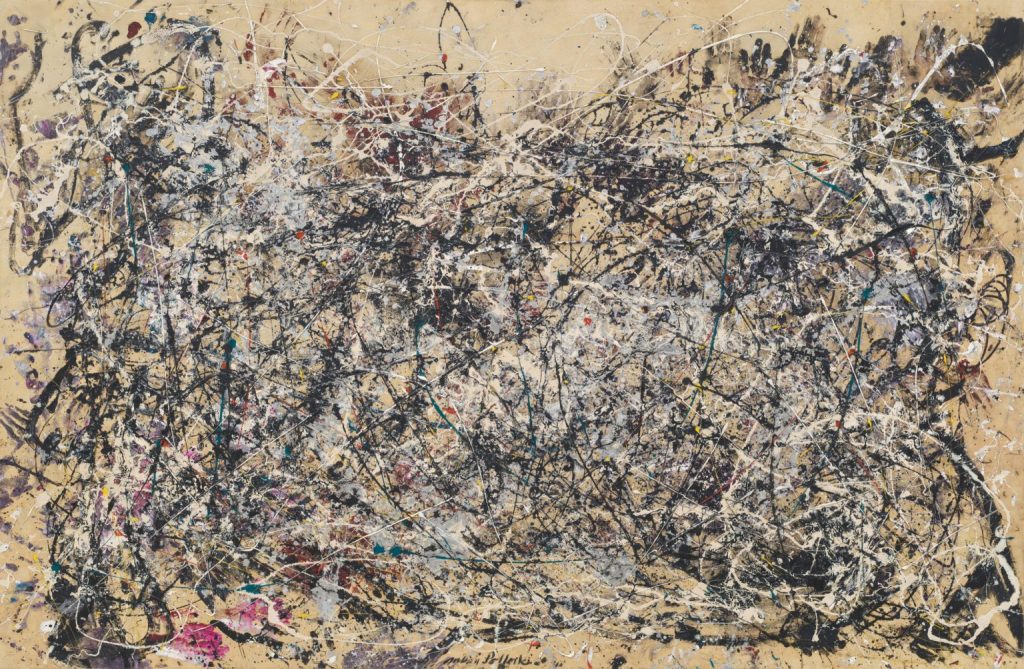
Over time, the critical reception evolved as scholars and critics began to appreciate the intellectual rigor and emotional intensity underlying Abstract Expressionist creations. The movement’s emphasis on individual expression and the liberation of the artist’s subconscious resonated with the cultural shifts of post-World War II America. By the 1950s and 1960s, Abstract Expressionism had gained international acclaim, and its impact on subsequent art movements solidified its place in art history. The critical journey of Abstract Expressionism reflects a paradigm shift in the understanding of artistic expression, marking a pivotal moment in the trajectory of modern art.
 æsthetic triangle