
Willem de Kooning, a pioneering figure in Abstract Expressionism, emerged in mid-20th-century New York as a key contributor to the movement. Born in the Netherlands in 1904, de Kooning migrated to the United States in 1926. His artistic journey began with figurative works before transitioning into the realm of abstraction.

De Kooning’s abstract expressionist style is characterized by dynamic brushwork, gestural spontaneity, and a distinctive merging of form and emotion. His iconic “Woman” series, particularly “Woman I” (1950-1952), exemplifies his bold approach to depicting the female form, blurring the line between abstraction and representation. The distorted, ferociously painted figures reflect his fascination with the complexities of human experience and the female psyche.
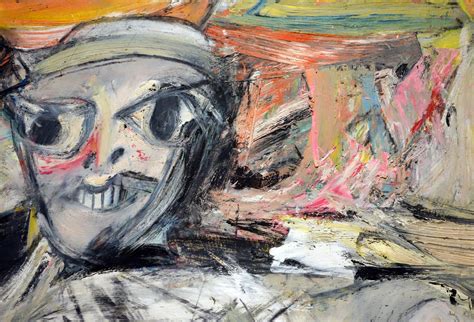
Notably, de Kooning’s technique involved both improvisation and calculated composition. His works showcase a vibrant interplay of colors and textures, demonstrating a masterful control of paint application. The artist’s studio practice involved a constant dialogue between chaos and order, resulting in canvases that exude energy and raw expression.
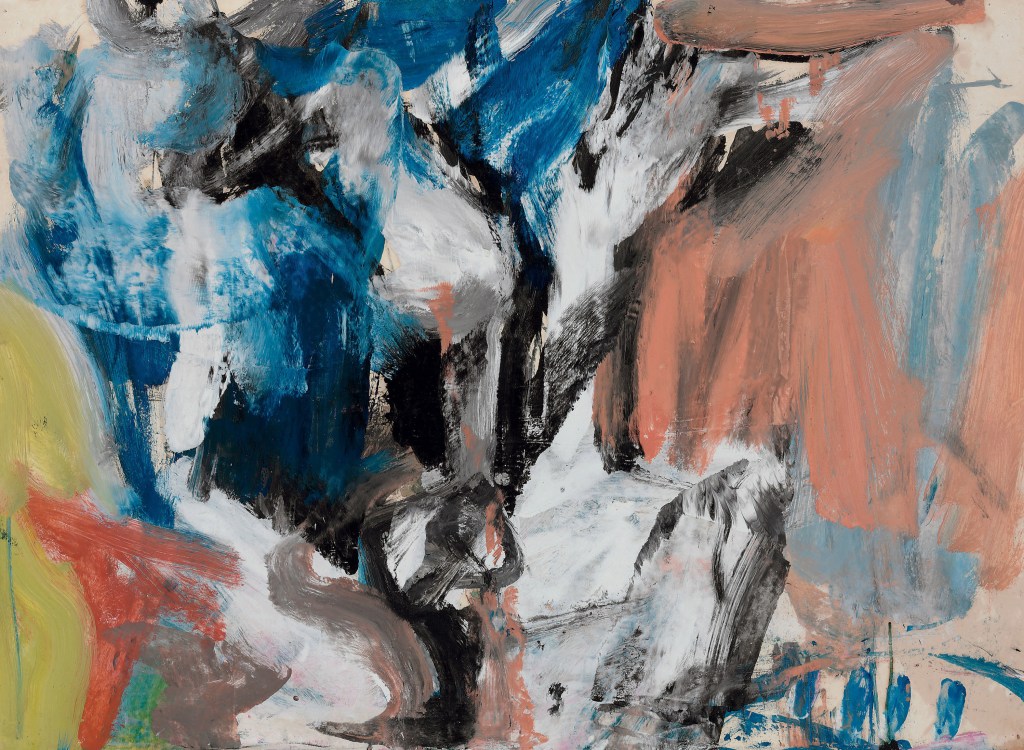
De Kooning’s influence extended beyond his paintings, as he played a pivotal role in shaping the New York art scene, contributing to the development of abstract expressionism as a leading force in post-war American art. Despite his significant contributions to the movement, de Kooning remained a versatile artist, continually evolving his style over the years. His legacy endures as a testament to the transformative power of abstract expressionism in the evolution of modern art.
 æsthetic triangle