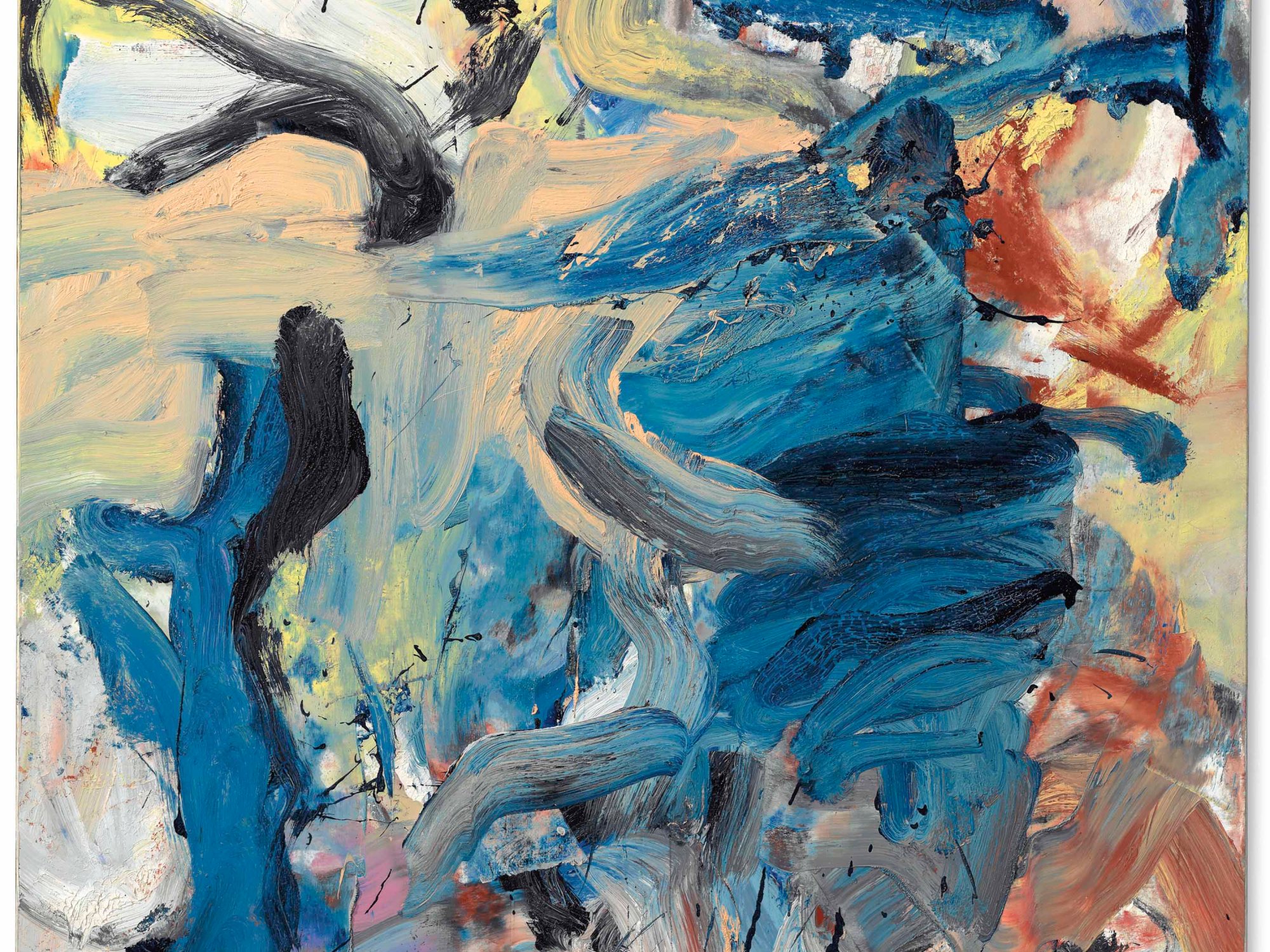
Abstract Expressionism, a groundbreaking art movement that emerged in the post-World War II era, redefined the landscape of contemporary art with its emphasis on spontaneous, intuitive expression and emotional depth. Flourishing in the 1940s and 1950s, this movement represented a departure from traditional artistic conventions, rejecting realistic depictions in favor of abstraction and subjective interpretation.
At the core of Abstract Expressionism is the notion of gestural abstraction, where artists sought to convey raw emotion and personal experience through bold, expressive brushstrokes. Prominent figures like Jackson Pollock, Willem de Kooning, and Mark Rothko became iconic proponents of this movement. Pollock, for instance, was known for his innovative drip painting technique, letting paint flow and splatter onto the canvas, creating dynamic and chaotic compositions.
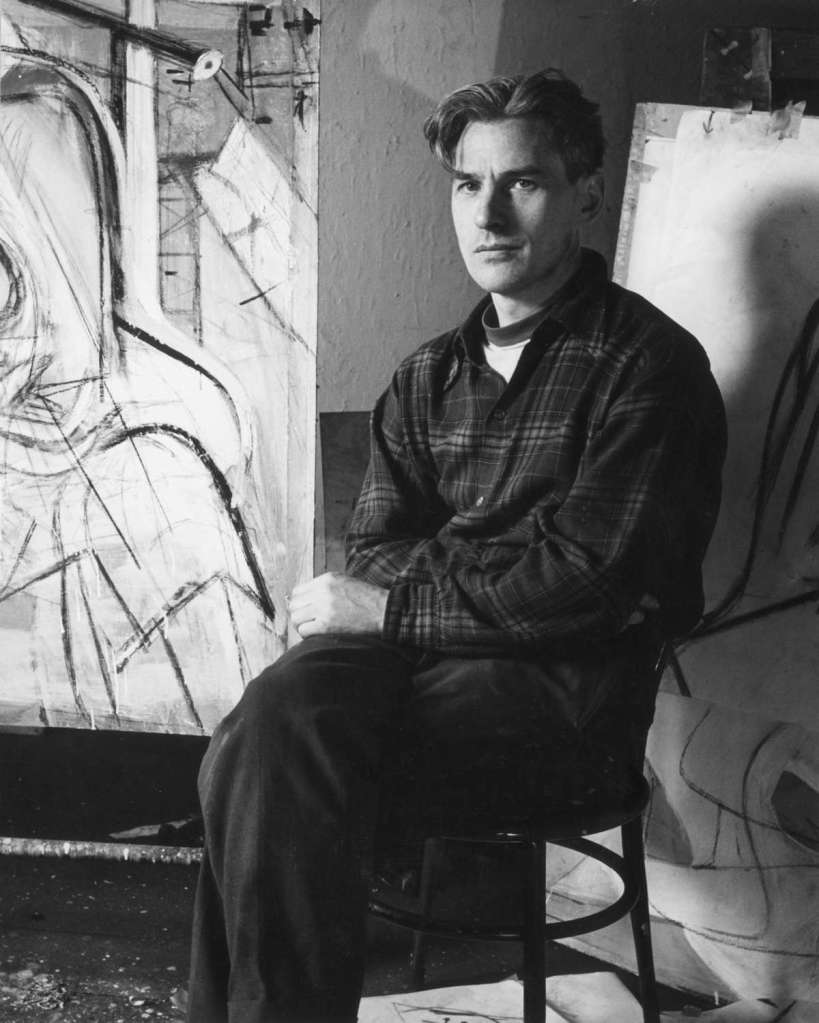

One key aspect of Abstract Expressionism was the rejection of a clear narrative or representational form. Instead, artists aimed to evoke profound emotions and inner states, allowing viewers to engage with the artwork on a visceral level. The movement also emphasized the importance of spontaneity and improvisation, reflecting the artists’ desire to tap into the subconscious and convey the immediacy of their emotions.
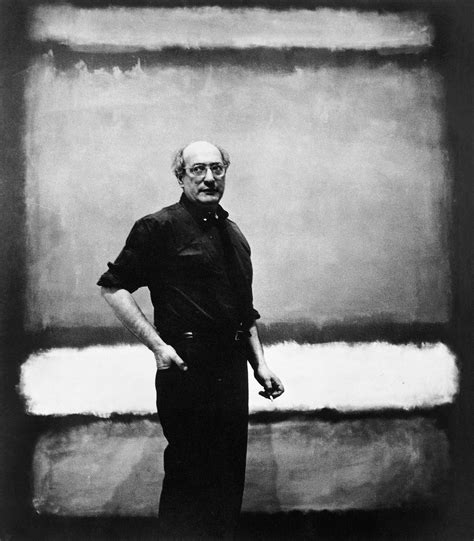
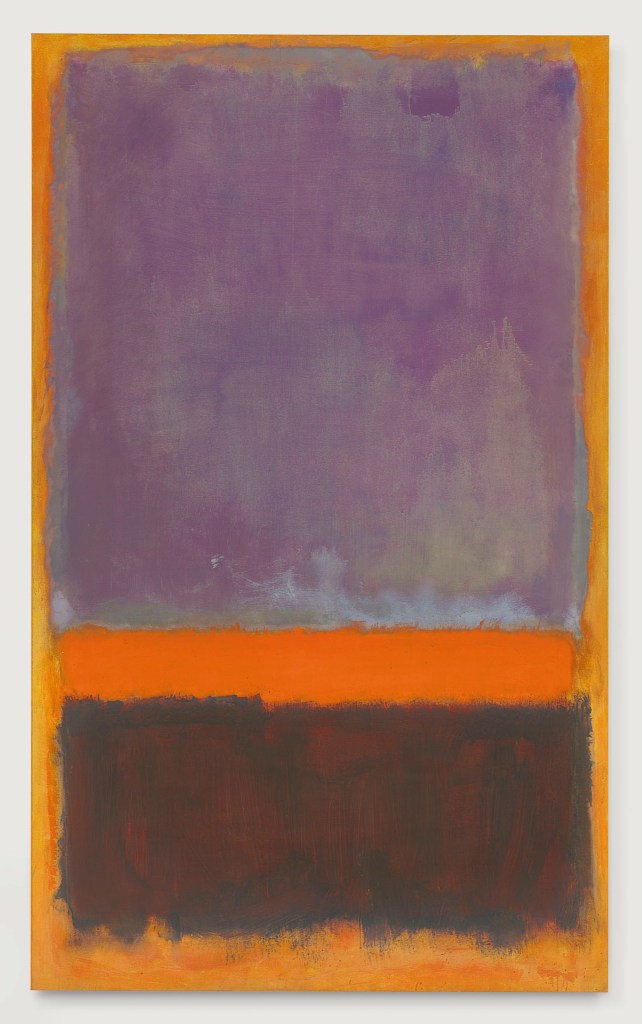
Abstract Expressionism left an enduring impact on the art world, influencing subsequent generations of artists and paving the way for various forms of abstract and non-representational art. Its legacy endures as a testament to the power of individual expression and the capacity of art to transcend traditional boundaries.
 æsthetic triangle