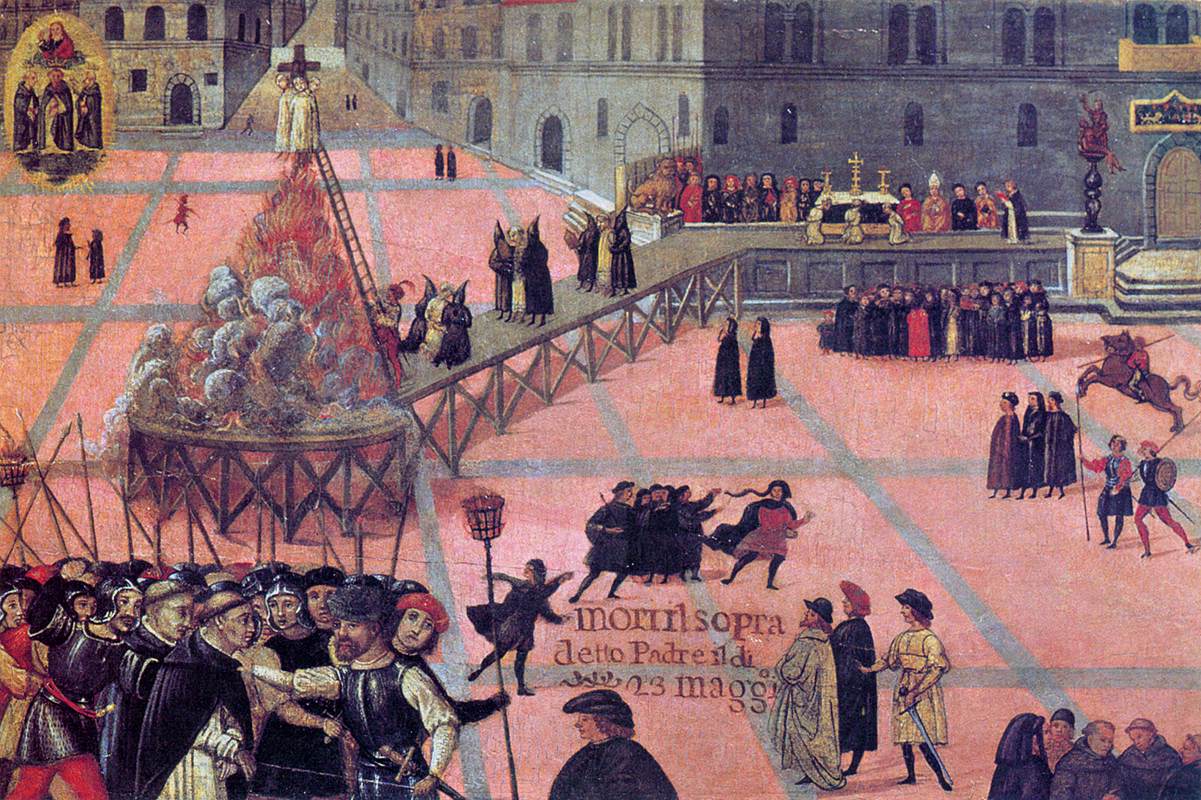
The 15th century (February 7, 1497), Bonfire of the Vanities was a pivotal event for art history in Florence. The term “Bonfire of the Vanities” describes the burning of any object associated with secular or immoral activities.
The event was orchestrated by the Dominican friar Girolamo Savonarola, who had risen to prominence in Florence with his fiery sermons. Savonarola opposed the 15th century rise of secular excesses, immorality, and what he considered as vanities. All of which Savonarola preached against.
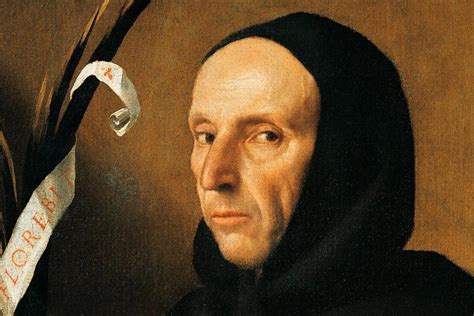
Through his sermons, Savonarola convinced the people of Florence to voluntarily contribute items deemed sinful or extravagant, such as cosmetics, mirrors, books, fine clothing, and artwork. These objects were then publicly burned in a large bonfire in the Piazza della Signoria. The aim was to cleanse the city of what Savonarola perceived as corrupting influences and to purify the souls of the citizens.

The Bonfire of the Vanities had significant cultural and political implications, reflecting the tensions between the secular and religious authorities of the time. The destruction of valuable art and literature sparked controversy and criticism, as some considered it a loss of cultural heritage. Eventually, Savonarola’s radical influence waned, and he himself faced persecution. In 1498, he was burned at the stake. This marked the end of the Bonfire of the Vanities and the unraveling of Savonarola’s short-lived influence over Florence. The event remains a poignant example of the complex interplay between religion, politics, and culture during the Renaissance.
 æsthetic triangle