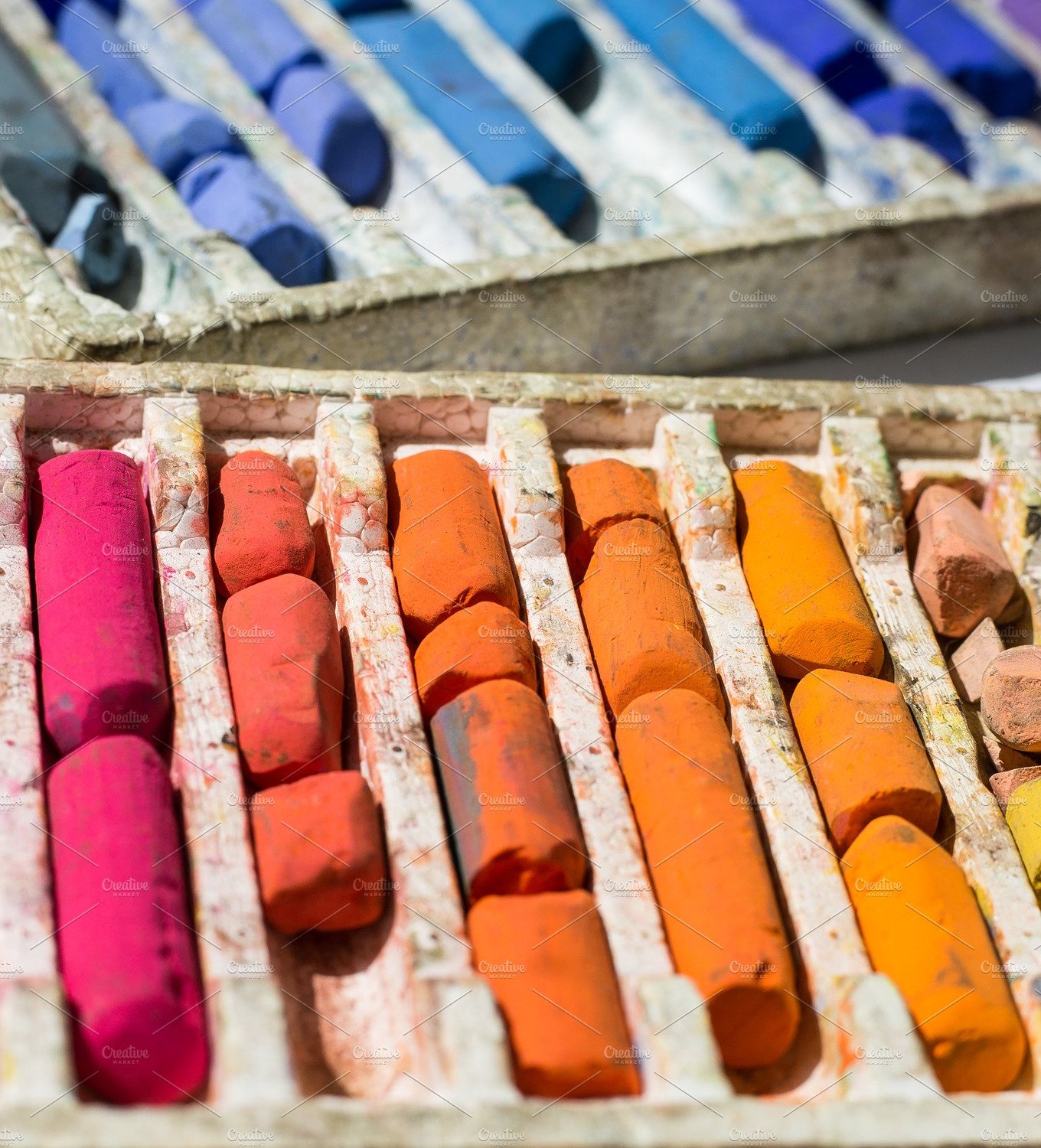
During the Renaissance, artists developed and refined various paint mixing techniques that played a crucial role in achieving the rich and vibrant colors characteristic of the era’s masterpieces. The meticulous approach to color was a hallmark of Renaissance art, and artists employed a combination of skill, intuition, and scientific understanding to create visually stunning works.
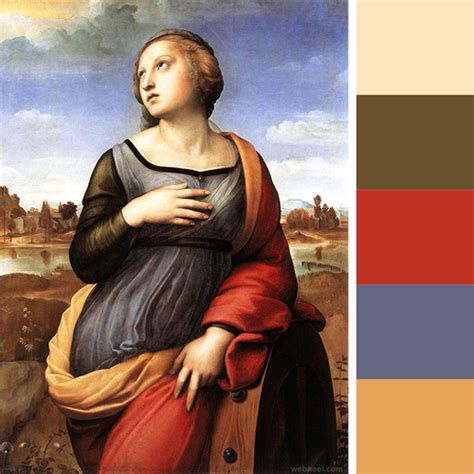
One of the key elements in Renaissance paint mixing was the use of pigments derived from natural sources. Artists often ground minerals, plants, and even insects to obtain pigments that could be mixed with binders to create paints. These pigments were chosen for their brilliance and durability, contributing to the longevity of many Renaissance artworks. Common pigments included lead white, vermilion, ultramarine, and various earth tones.
Artists during this period were also keenly aware of color theory, which had roots in ancient Greek philosophy. They embraced the idea of a limited palette, using a select number of pigments to create a wide range of hues. This approach allowed for greater control over color harmony and consistency in their works. The careful selection and layering of pigments enabled artists to achieve subtle transitions and lifelike representations of light and shadow.
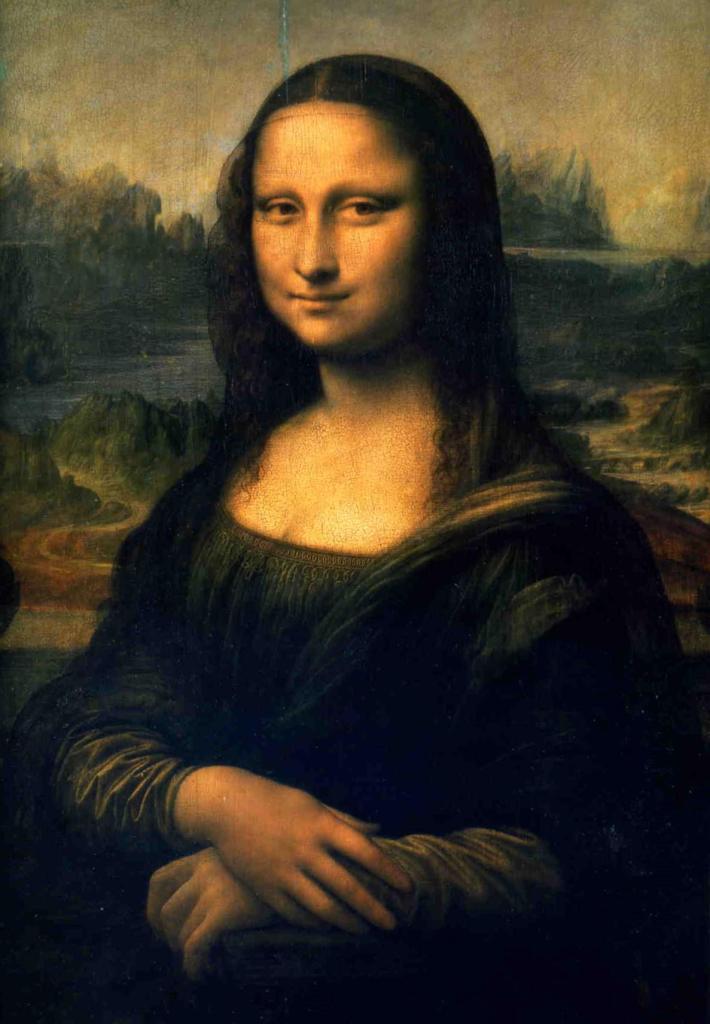
Layering was another significant paint mixing technique employed by Renaissance artists. By applying thin glazes of translucent paint over dried layers, artists could create depth and luminosity in their paintings. This technique, known as sfumato, was famously used by Leonardo da Vinci to achieve the soft transitions between light and shadow in works like the Mona Lisa.
Moreover, artists utilized mediums such as linseed oil to modify the viscosity and drying time of their paints. This gave them greater control over the application and blending of colors, facilitating techniques like impasto (thickly textured brushstrokes) and glazing.
In summary, the paint mixing techniques of Renaissance artists were a delicate balance of science and artistry. Through a deep understanding of pigments, color theory, and the manipulation of paint mediums, these masters created enduring masterpieces that continue to captivate and inspire art enthusiasts to this day.
 æsthetic triangle