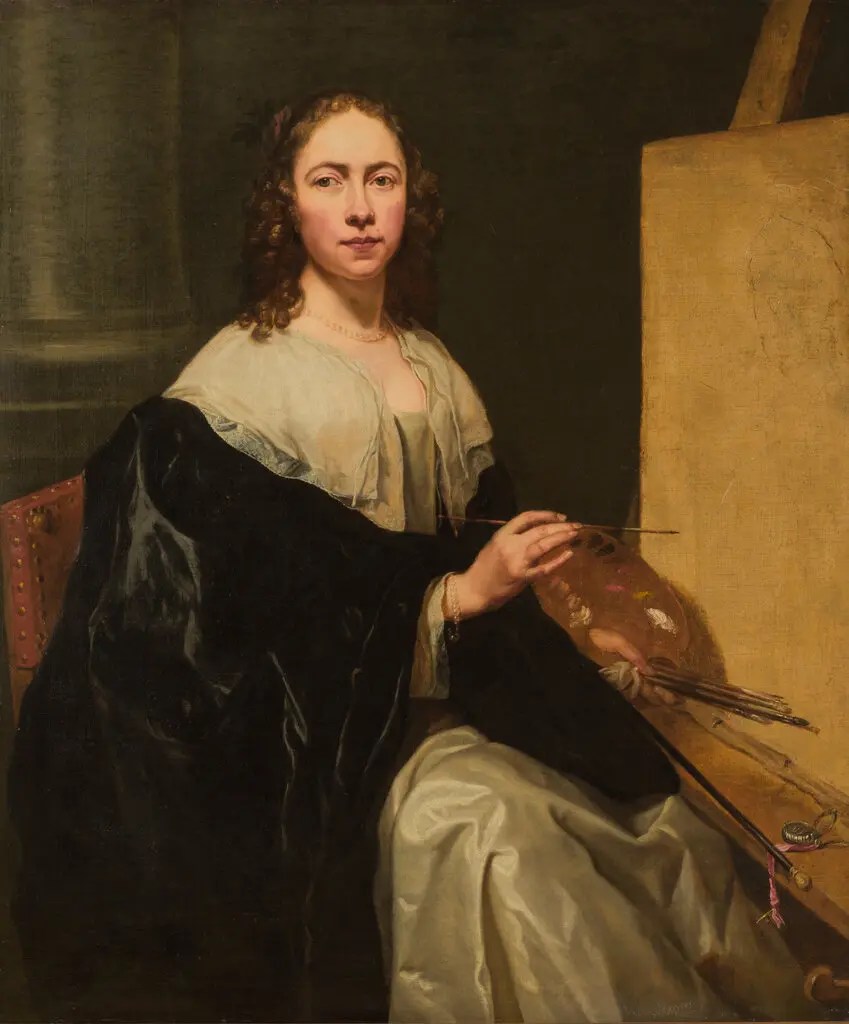
Michaelina Wautier, a remarkable South Netherlandish painter born in 1604, defied the conventions of her time and left an indelible mark on the art world. In an era when female artists faced significant barriers, Wautier’s talent and determination propelled her into the spotlight. Little is known about her early life, but records indicate that she flourished as a painter in the 17th century.
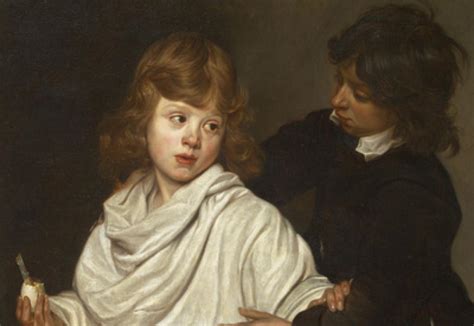
Wautier specialized in a range of genres, from portraiture to historical and mythological scenes, showcasing her versatility and mastery of various subjects. Her works often exhibited a keen attention to detail and a nuanced understanding of light and shadow, demonstrating a sophisticated technique that rivaled her male counterparts. Notably, she had a penchant for capturing the intricacies of textiles, adding richness and depth to her compositions.
One of her most celebrated works, “Triumph of Bacchus,” stands as a testament to her artistic prowess. The painting encapsulates the opulence of the Baroque period and exemplifies her ability to depict complex mythological narratives with finesse. Wautier’s oeuvre challenges preconceived notions about women in art, affirming that talent knows no gender boundaries.
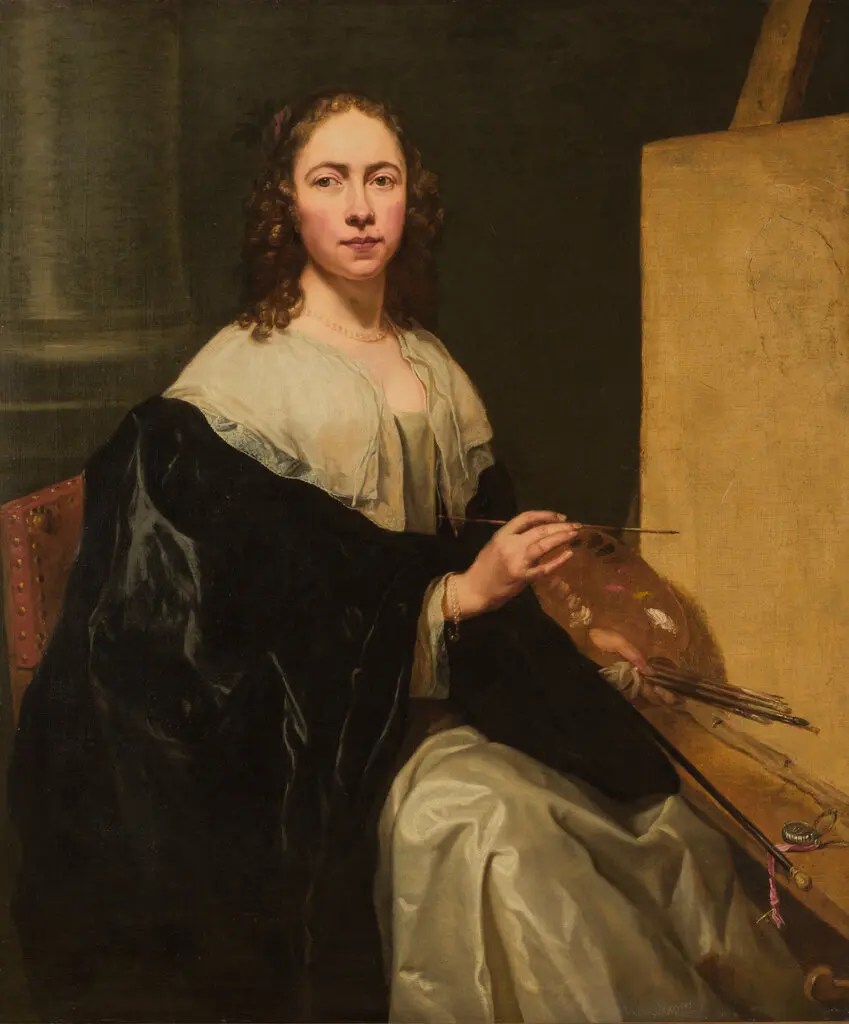
Despite her undeniable talent, Wautier’s legacy was overshadowed for centuries by the prevailing biases against female artists. However, the revival of interest in women artists in recent years has brought her contributions to the forefront, acknowledging Michaelina Wautier as a trailblazer who defied societal norms and left an enduring impact on art history.
 æsthetic triangle