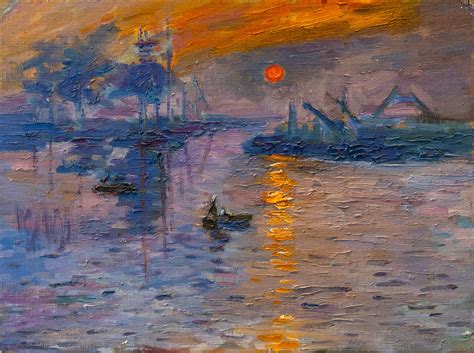
The Impressionist movement, which emerged in the late 19th century in France, was characterized by its emphasis on capturing the fleeting effects of light and color in the open air. Within this revolutionary artistic movement, friendships and rivalries played a pivotal role, shaping the trajectory of individual artists and the movement as a whole.
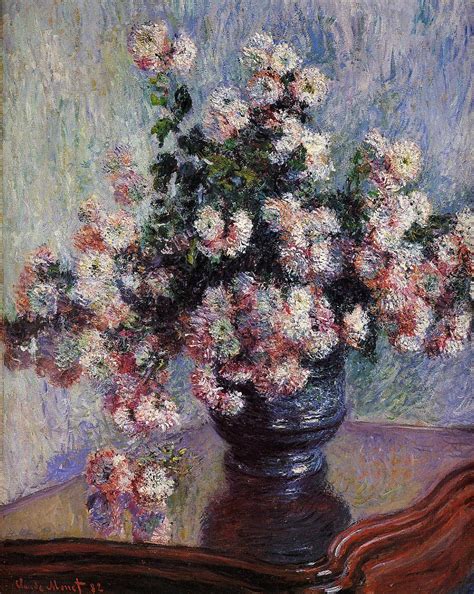
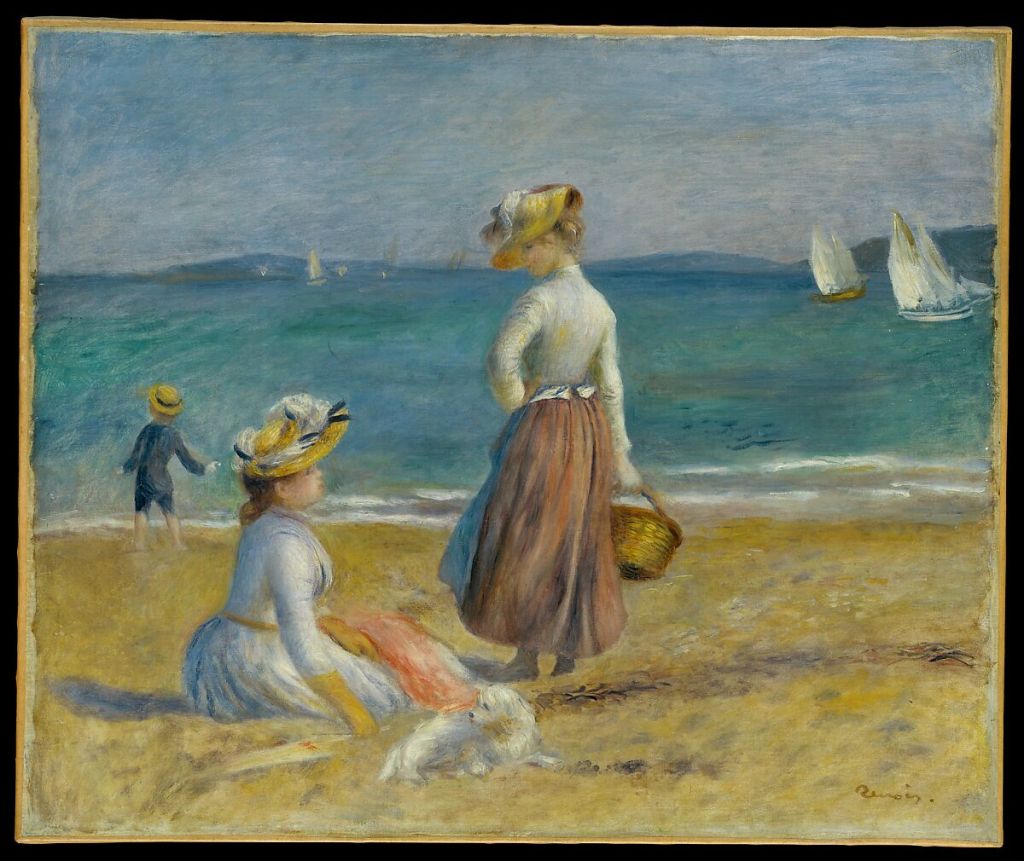
At the heart of the Impressionist circle were friendships that often began in art schools and studios. Claude Monet and Pierre-Auguste Renoir, for instance, shared a close bond that went beyond the canvas. They painted together, exchanged ideas, and supported each other in their artistic endeavors. The camaraderie among the Impressionists extended to social gatherings and shared experiences, such as outings to the countryside, where they would collectively explore new techniques and subject matter.
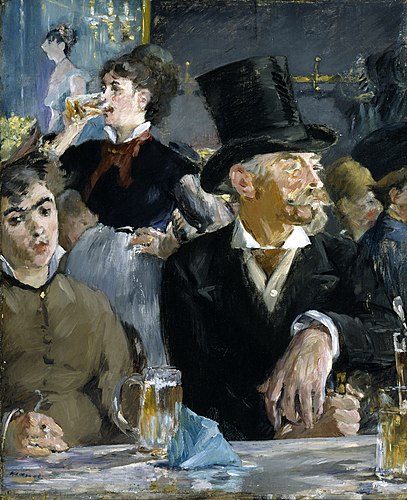
However, the Impressionists were not immune to artistic rivalry. Is any group of men? Where is Judy Chicago and her triangular table? Yes, I know … about a century away. Edouard Manet, often associated with the movement, maintained a complex relationship with some of the core Impressionists. While he influenced and inspired them, there were tensions between Manet and artists like Monet and Renoir. Manet’s more traditional approach and desire for recognition by the official art establishment created a subtle but palpable rivalry within the group.
The rivalry between Monet and Auguste Rodin is another notable aspect. Although Rodin was primarily a sculptor, his friendship and artistic exchange with Monet were marked by mutual admiration and a shared commitment to breaking away from artistic conventions. Their collaboration and exchange of ideas resulted in innovative approaches that transcended traditional boundaries between sculpture and painting.
Ultimately, these friendships and rivalries within the Impressionist movement were integral to its dynamism and innovation. The diversity of personalities and artistic visions fueled creativity, pushing each artist to evolve and refine their techniques. Despite occasional tensions, the collective pursuit of capturing the essence of the moment and the interplay of light and color remained a unifying force, leaving an indelible mark on the history of art.
 æsthetic triangle