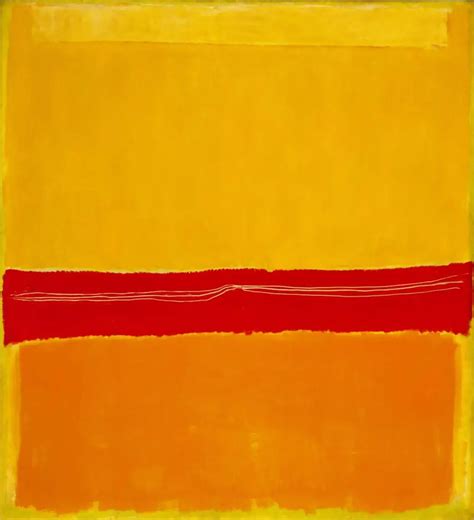
Mark Rothko, a renowned Abstract Expressionist painter, is celebrated for his distinct painting technique that became synonymous with the color field movement. Born in 1903, Rothko developed a style characterized by large, rectangular fields of color that exude an intense emotional impact. His works often consist of two or three vertically stacked rectangles, creating a layered effect that invites viewers to immerse themselves in the immersive power of color.
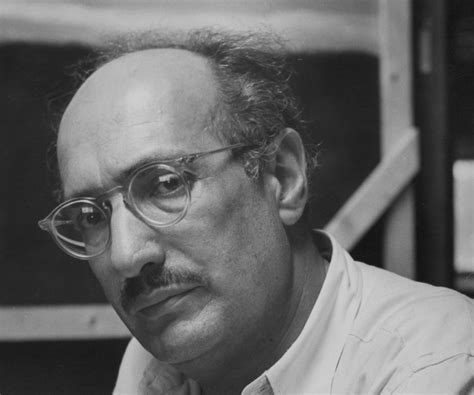
To achieve the painting style of his own, Rothko’s technique involved a meticulous process of layering thin washes of paint to create luminosity and depth. He was deeply invested in the emotional resonance of color. That is to say, Rothko used color as a means to communicate profound and spiritual experiences.
The artist’s iconic compositions are deceptively simple, yet they elicit complex emotional responses. The careful consideration of color relationships and the juxtaposition of hues allowed Rothko to convey a range of emotions, from contemplation to profound intensity.
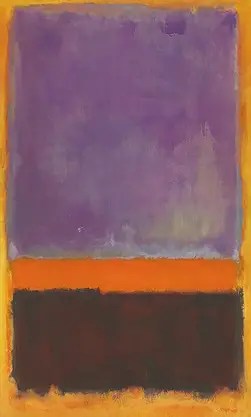
A key aspect of Rothko’s technique is his use of a limited color palette, often consisting of deep, saturated tones. This deliberate choice enables the viewer to focus on the nuances of color and the subtle shifts in tone, creating an almost meditative experience. Rothko’s paintings are not merely visual stimuli; they are immersive environments that encourage introspection and emotional connection.
In other words, Mark Rothko’s painting technique transcends the canvas, inviting viewers into a world of emotional intensity and spiritual contemplation through the masterful manipulation of color and form.

 æsthetic triangle