Pop-up books are a captivating fusion of literature and art. They have long been a source of enchantment for readers of all ages but seem to not get their share of accolades.
At the pinnacle of this craft, a select group of paper engineers and artists have mastered the delicate balance of storytelling and intricate paper engineering, creating awe-inspiring pop-up masterpieces.
Among the top pop-up artists, Robert Sabuda stands as a luminary figure. Renowned for his meticulous craftsmanship, Sabuda’s creations transport readers into fantastical worlds with intricate layers and dynamic movements. His ability to infuse narrative depth into the three-dimensional pop-up form has earned him widespread acclaim.
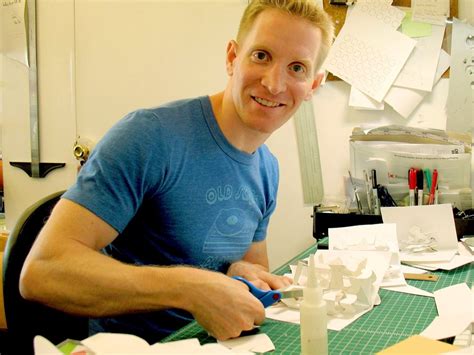

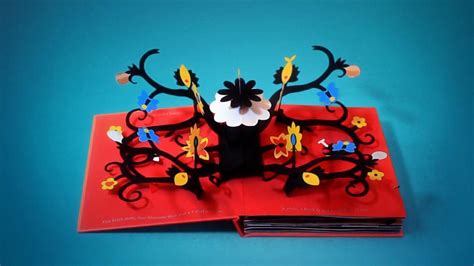
Equally celebrated is David A. Carter, recognized for his ingenious use of geometric shapes and vibrant colors. Carter’s pop-up books are a testament to his innovative approach, pushing the boundaries of paper engineering to create visually stunning and intellectually stimulating works.

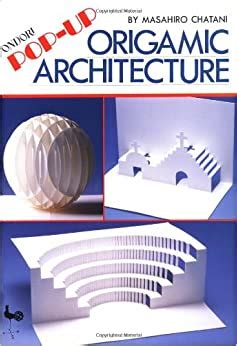
The Japanese artist, Masahiro Chatani, revolutionized the pop-up genre by introducing architectural elements into his designs. His intricate structures, resembling miniature sculptures, elevate pop-up books to an art form that transcends mere entertainment.

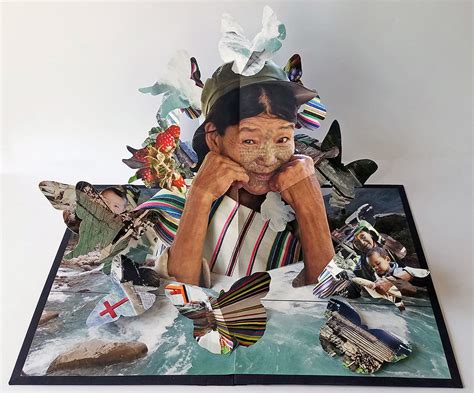
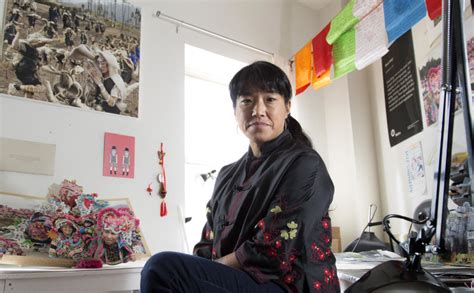
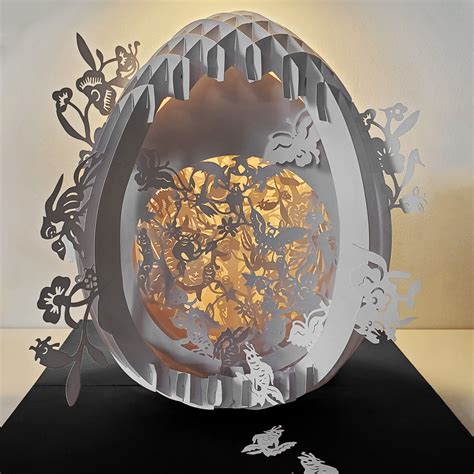
Collette Fu draws on collage, colour, and scale in her pop-up books, which are for any age of reader. In What the Butterfly Dragon Taught Me, Fu also challenges us on how books should be shaped – rectangular or maybe like an egg? Her books offer something new to see time after time in reading them either aloud with others (the best way) or quietly and alone (a time to study Fu’s art and skill).
These top pop-up artists have not only elevated the medium but have also inspired a new generation of creators to explore the possibilities of paper engineering. Through their ingenuity and creativity, these artists continue to enchant and captivate readers, proving that the marriage of literature and pop-up art is a timeless and enduring form of storytelling.
More pop-up books should be on the top of everyone’s book list and in the future projects of more artists.
 æsthetic triangle