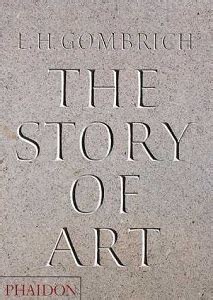
Sir Ernst Gombrich, an eminent art historian, significantly contributed to the field with his magnum opus, The Story of Art. Published in 1950, this seminal work remains a cornerstone in art education and appreciation. Gombrich’s particular brilliance – like few others – lies in his ability to distill complex art history into a narrative accessible to both scholars and the general audience.

The Story of Art, transcends traditional art history textbooks by adopting a chronological and thematic approach. Gombrich weaves a compelling narrative that spans centuries, cultures, and artistic movements, guiding readers through the evolution of visual expression. His emphasis on storytelling transforms art history from a mere catalog of images and data points to a captivating exploration of human creativity, societal influences, and cultural shifts.
Gombrich’s narrative-style both educates and inspires a profound appreciation for the interconnectedness of art and human experience. But what is art if not a fundamental part of the human experience?
By presenting art as a dynamic dialogue across time and space, The Story of Art, becomes a gateway for enthusiasts and novices alike to engage with diverse artistic traditions.
Gombrich’s contribution to art history and art appreciation at any level extends beyond scholarship. He fosters a universal understanding of art’s significance in shaping our collective heritage. The Story of Art continues to endure as a testament to the alluring power of good storytelling in transmitting the complexities of artistic expression and its timeless impact on human culture to anyone who reads it. The Story of Art is required reading for all art history students and anyone who has ever seen or made art.
 æsthetic triangle