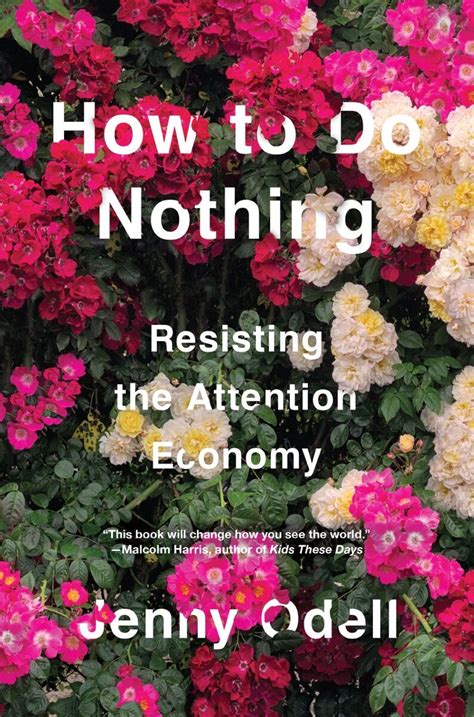
How to Do Nothing: Resisting the Attention Economy, by Jenny Odell is a compelling exploration of the modern struggle for attention in an age of constant connectivity. Odell challenges the pervasive culture that insists on productivity as the key measurement of our days, and offers a refreshing perspective on reclaiming one’s time and attention. Her latest Saving Time, is the subject of a future post.

The book encourages readers to resist the demands of the attention economy, which thrives on constant stimulation and productivity (like, say, reading this blog? Please read. It’s productive!). Odell advocates for a deeper connection with the natural world, contemplative practices, and a reevaluation of our relationship with technology. She argues that doing nothing is not a passive act when you have time but rather is a deliberate choice to engage with the present moment and one’s surroundings. For readers, this has echoes of Aplers’s book on Dutch painting that was for seeing the world around the painter’s daily livers versus reading and allegory.
Through a blend of personal anecdotes, cultural analysis, and philosophical insights, Odell provides a roadmap for embracing idleness as a form of resistance. Yes, idleness. She draws on diverse sources, from bird watching to the art of Dutch master Hieronymus Bosch, to illustrate the value of slowing down and cultivating a mindful existence.
How to Do Nothing, challenges readers to reconsider their priorities, question societal expectations, and forge a path towards a more intentional and fulfilling life. In a world obsessed with constant activity, Odell’s book serves as a thoughtful guide to reclaiming agency over our time and attention. Try setting your alarm for 5, 10, 30 minutes and until the alarm calls you back to productivity, practice Odell’s call. Do nothing.
If that works out, try her latest book (or be productive and read about here in a future post).
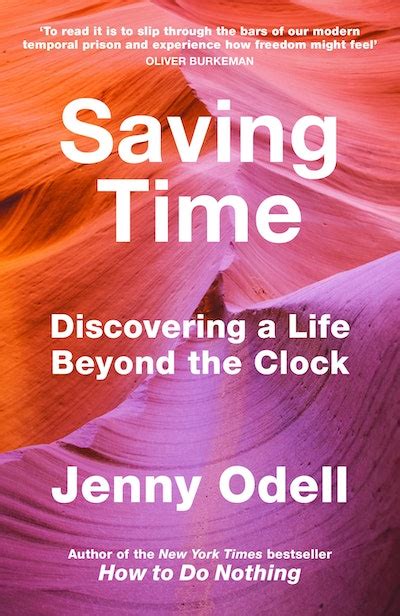
For a copy: https://www.penguinrandomhouse.com/books/672377/saving-time-by-jenny-odell/
 æsthetic triangle