
Berthe Morisot, a pioneering French Impressionist painter born in 1841, defied the societal norms of her time to become a trailblazer in the male-dominated art world. As one of the few female artists associated with the Impressionist movement, Morisot played a crucial role in shaping the course of art history.
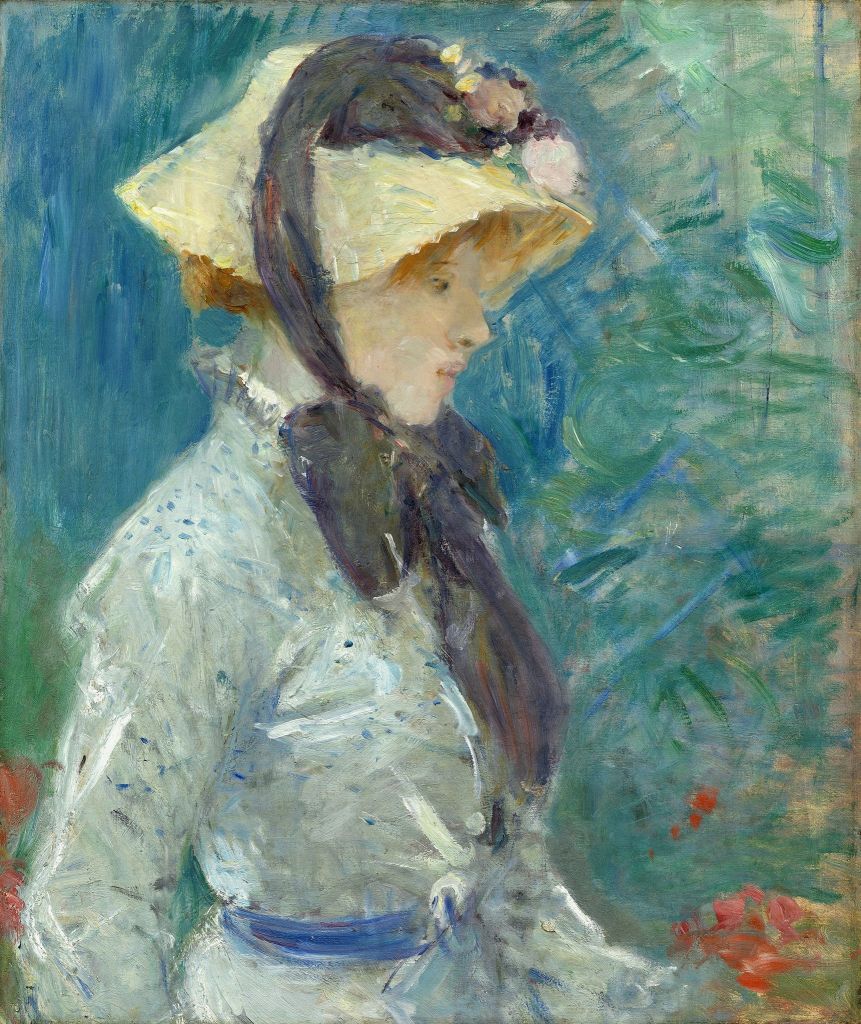
Morisot’s paintings, characterized by their use of light, color, and loose brushstrokes, captured the essence of modern life in late 19th-century France. Her subjects often included domestic scenes, landscapes, and portraits, providing an intimate and personal glimpse into the everyday lives of the Parisian bourgeoisie. Morisot’s ability to convey the subtleties of atmosphere and emotion set her apart from her contemporaries.
Beyond her artistic contributions, Berthe Morisot was a key figure in the social circles of the Impressionist movement. She was closely associated with prominent artists such as Édouard Manet, whom she eventually married, and Edgar Degas. Morisot’s connections within the art world allowed her to exhibit regularly at the prestigious Salon de Paris, challenging the established norms and opening doors for future generations of female artists.
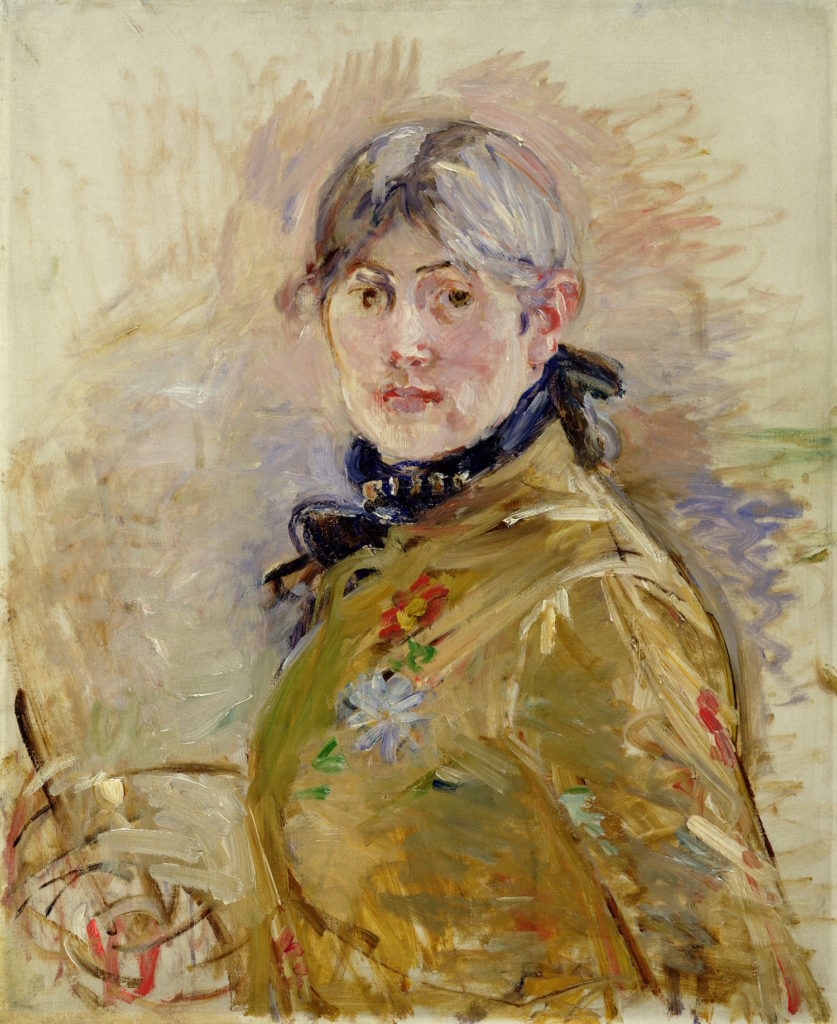
Despite facing societal constraints related to her gender, Morisot’s determination and talent earned her the respect of her peers and art enthusiasts alike. Her legacy endures not only for her artistic achievements but also for her role in breaking down barriers for women in the arts. Berthe Morisot’s canvases continue to enchant viewers, providing a timeless testament to her remarkable contributions to the world of Impressionist art.
 æsthetic triangle