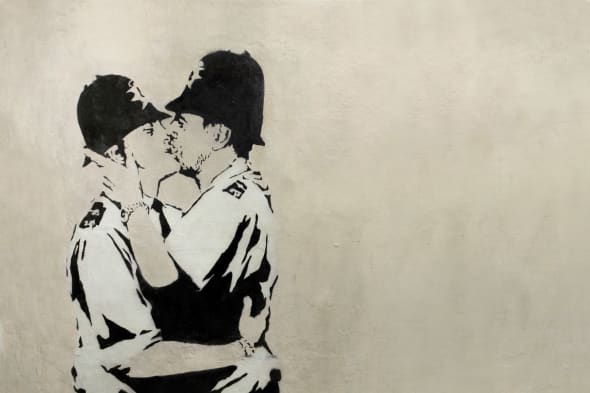
The world needs more beauty right now. Embarking on a captivating journey through the annals of art history unveils a rich landscape of human creativity that spans centuries and can transcend cultural boundaries. From the Renaissance to contemporary art, the evolution of artistic movements has shaped the way we perceive and interpret the world around us. In this exploration, we’ll delve into key epochs, shedding light on iconic artists, revolutionary styles, and the societal influences that propelled these movements forward.
The Renaissance was a pivotal period in art history, emerged in 14th-century Italy, marking a resurgence of classical ideals. Visionaries like Leonardo da Vinci, Michelangelo, and Raphael pioneered techniques that showcased a newfound emphasis on realism and humanism. Their masterpieces, such as the Mona Lisa and the Sistine Chapel ceiling, remain timeless symbols of artistic brilliance.

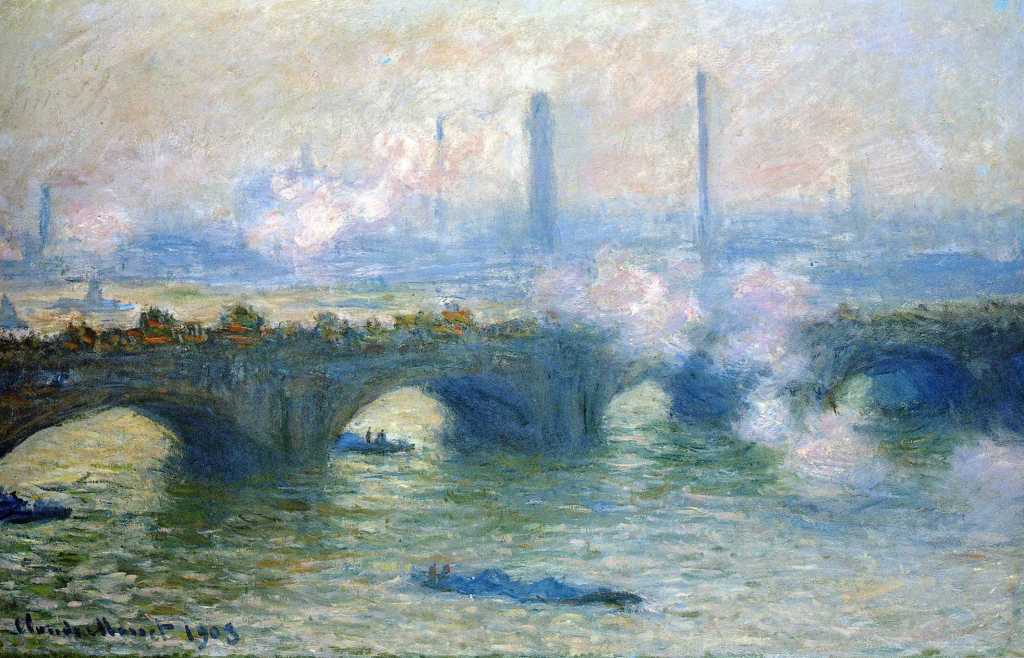
Fast forward to the late 19th century, where the Impressionist movement shattered traditional norms. Artists like Claude Monet and Edgar Degas sought to capture the fleeting effects of light and atmosphere, birthing a revolution in art perception. Post-Impressionism followed, with Vincent van Gogh’s emotionally charged works and Paul Cézanne’s explorations of form laying the groundwork for modern art.
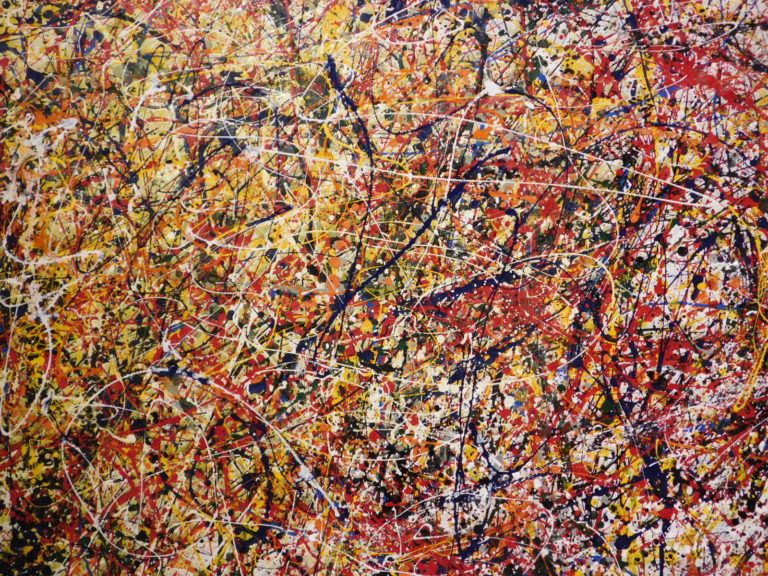
The mid-20th century witnessed the rise of Abstract Expressionism, spearheaded by artists like Jackson Pollock and Willem de Kooning. This movement embraced spontaneity and gestural abstraction, challenging conventional notions of representation. The iconic drip paintings of Pollock and the bold canvases of de Kooning ignited a new era of artistic experimentation.
In the contemporary art scene, diverse movements like Pop Art, Minimalism, and Street Art showcase the ever-evolving nature of creativity. Artists like Andy Warhol, Donald Judd, and Banksy have left an indelible mark, pushing the boundaries of traditional mediums and challenging societal norms.
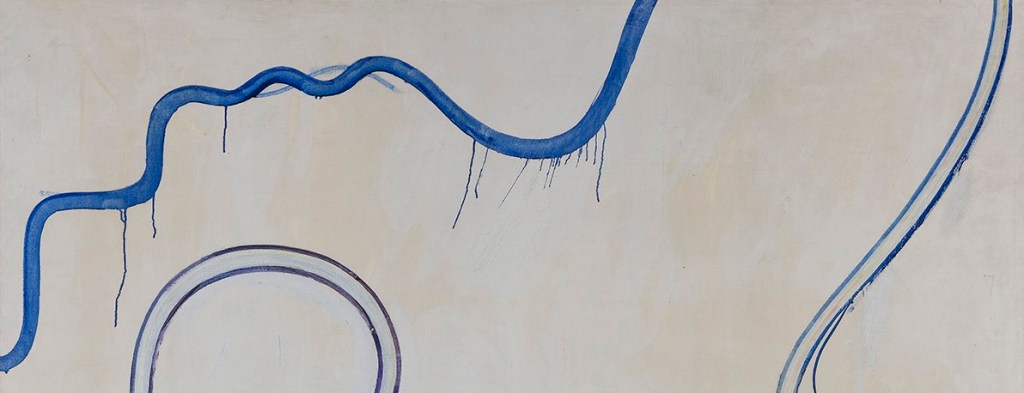
As we examine the expansive landscape of art history, it becomes evident that each movement has not only reflected the spirit of its time but also paved the way for future innovation. This journey through artistic periods provides a deeper understanding of our collective cultural heritage and the continuous evolution of human expression. Art history serves as a testament to the power of creativity in shaping our collective identity and fostering a profound connection between the past, present, and future.
 æsthetic triangle